
Piedmont.
A home with room for its own character.
Explore Piedmont homes with attention to architecture, gardens, sloping sites and the city’s planning process, plus practical buying and selling guidance.
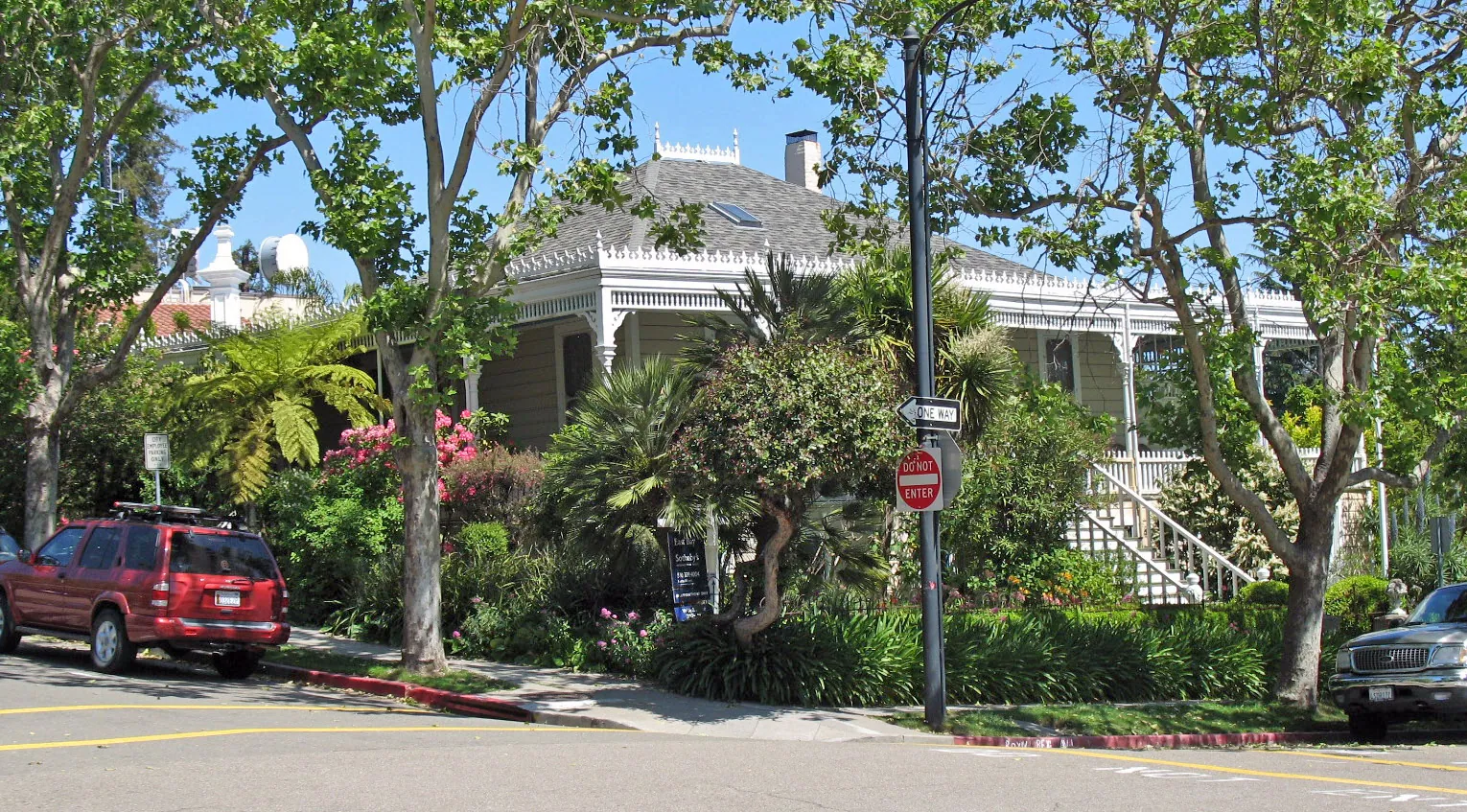
A closer look at Piedmont.
Piedmont asks you to slow the home search down to the scale of a street, a garden and a front door. Here, the way a house sits on its lot can be as important as its interior size. A sheltered terrace, a useful side entrance or a room that catches the afternoon light may distinguish two otherwise similar properties. Explore on foot when you can, and pay attention to grade as well as distance.
This is a separate city within the surrounding Oakland urban landscape, with its own planning and building department. That distinction matters when you research a property or imagine changing it. The housing conversation often centers on individual houses and their history of improvements. A thoughtful purchase or sale brings together architecture, site condition and documentation, while leaving room for the personal reasons a particular home feels right.
Parks woven into residential streets
Piedmont’s park system includes Dracena Park and Piedmont Park. Rather than treating a park as a pin on a map, try the approach from the home and find the entrance you would use. The most convenient route may depend on the slope.
A landscape with a history
The city recognizes Heritage Trees in parks and public spaces, including trees in Dracena Park. Mature planting contributes to the setting, while individual property owners should understand the condition and maintenance of trees on their own site.
Design deserves an early conversation
Piedmont provides design standards, planning review and building permits through its own department. If your search includes a renovation, bring a specific proposal to city staff before treating a conceptual addition as part of the home’s value.
Homes in Piedmont.
Established homes with layered improvements
A house may combine original construction with several generations of changes. Request a timeline of additions, structural work and major systems. Assess how the rooms connect and whether older and newer portions have consistent comfort and access.
Gardens and sloping lots
A generous lot is useful only in relation to how you want to use it. Walk the whole accessible site, locate retaining walls and drainage paths, and distinguish easy gathering space from steeper landscape. A professional site review can clarify maintenance needs.
Smaller homes and alternative ownership
Piedmont’s zoning includes multifamily and mixed-use areas as well as single-family districts. If a smaller property meets your needs, evaluate its particular layout and ownership documents directly instead of assuming the city has only one kind of housing.
Everyday life in Piedmont.
Use a test visit to rehearse your own routines. Carry something from the garage to the kitchen, count the transitions between living space and garden, and consider whether guests can arrive comfortably. These are useful questions in any house, but they become particularly visible on a sloping property.
Your daily life may cross the Oakland boundary for shopping, dining, transport and other destinations. Build a map of places you already enjoy, then test those routes from the address. A municipal name gives useful context; it does not replace understanding the exact location.
Buying and selling in Piedmont.
When you’re buying in Piedmont.
- Verify the jurisdiction and parcel records instead of relying on an Oakland mailing reference or the name of a nearby commercial district.
- Discuss proposed exterior work with Piedmont planning staff and an appropriate designer before committing to a renovation budget.
- Inspect drainage, foundation and retaining structures together; on a sloping lot they form one connected property question.
When you’re selling in Piedmont.
- Make a concise, dated record of additions and structural improvements, with permits and invoices where available.
- Present gardens and terraces as usable spaces, showing how they connect to the rooms rather than only photographing them from above.
- Describe architectural character precisely and distinguish documented features from informal descriptions of style or historical significance.
Questions about Piedmont.
Is Piedmont the same place as Oakland’s Piedmont Avenue area?
No. Piedmont is a separate municipality, while Piedmont Avenue is also the name of an Oakland street and commercial area. Verify the parcel’s actual jurisdiction because planning, records and local requirements follow that boundary.
Can I remodel immediately after buying a Piedmont home?
The answer depends on the proposed work. Piedmont has design review and building permit processes, with exemptions for some activities. Ask city staff about the actual project and obtain professional estimates before assuming timing or approval.
How should I compare two Piedmont lots of similar size?
Look at grade, usable outdoor areas, access, drainage and the relationship to the house. Similar square footage can produce very different garden and maintenance experiences. A site plan and qualified inspections help reveal those differences.
Local resources.
Explore official local information, check current conditions, and investigate the address you’re considering. A community overview is a starting point; a particular home needs its own review.
Prepared October 2026 using the linked public resources. Routes, access, services, and local requirements can change. Confirm current details with the relevant provider or jurisdiction. Map points indicate communities, not office locations.
