
San Leandro.
A neighborhood day. A shoreline evening.
Explore San Leandro real estate through downtown connections, residential streets and the Bay shoreline, with useful advice for comparing homes and preparing a sale.
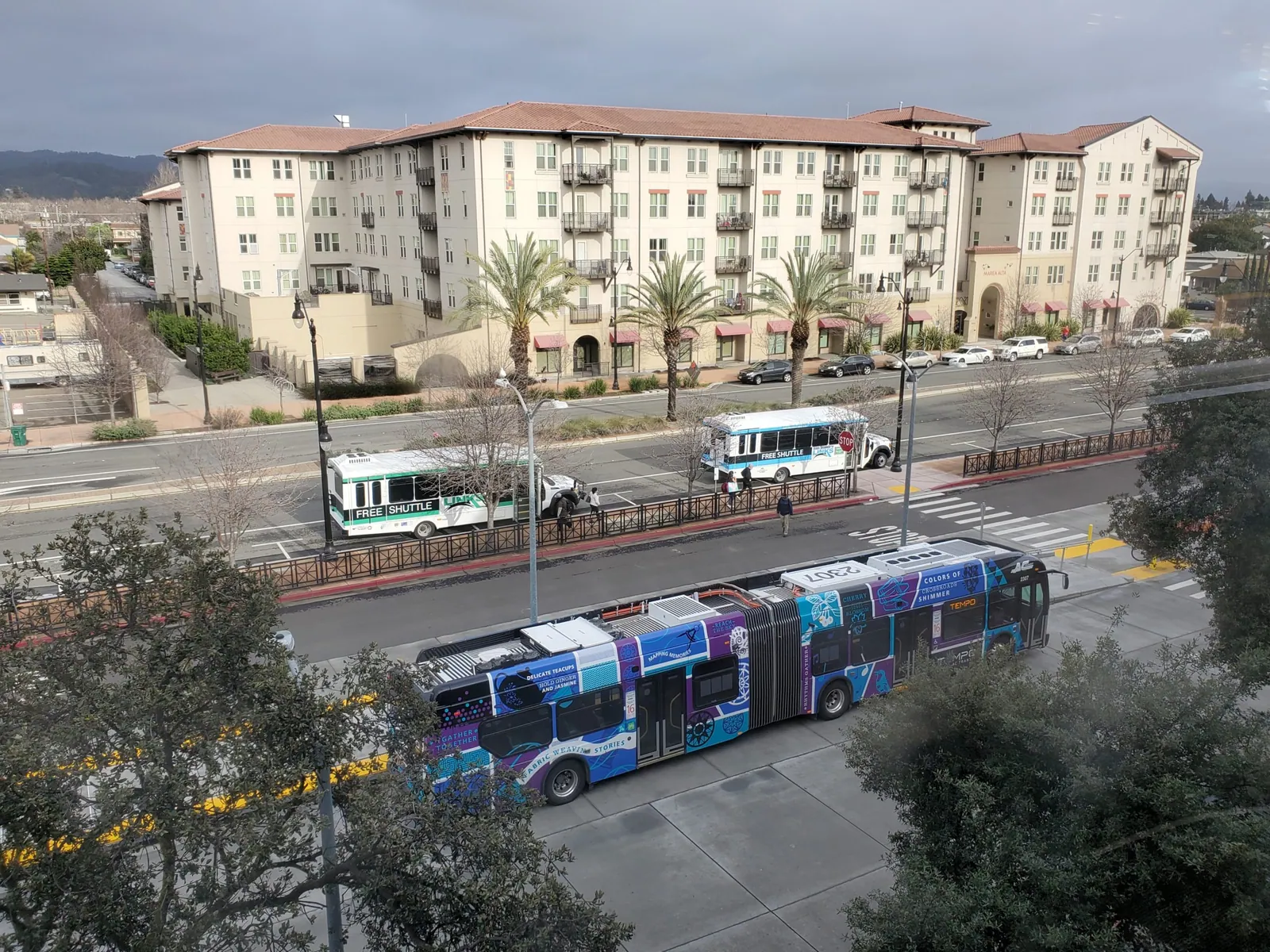
A closer look at San Leandro.
San Leandro offers more than one way to organize a day. You can put downtown and a BART connection near the center of your search, choose an established residential setting, or place more emphasis on reaching the shoreline. The best choice depends on the route between home and the places you use. Spend time on both sides of that equation: a house can be appealing while its daily connections need a closer look.
The city’s waterfront adds a substantial outdoor dimension, with Marina Park and a Bay Trail segment, while downtown provides a different set of destinations. These are distinct places rather than one continuous walkable center. Michael can help compare the tradeoffs at individual addresses and explain a property’s real advantages. For a seller, that specificity makes a stronger story than describing every home as equally close to everything.
Marina Park and open Bay views
Marina Park has lawns, picnic areas, play facilities and walking space beside the shoreline. Make it a stop on a home-search day, then return to the listing by your likely daily route to understand the connection.
Downtown with a rail connection
San Leandro BART serves the downtown area, and the city also has Bay Fair station farther south. Compare the station relevant to your address and destination; proximity to one station does not describe the whole transit journey.
A shoreline that is changing
San Leandro publishes updates on shoreline development and public improvements. Existing recreation and future construction should be evaluated separately. Check the latest city information before relying on a planned library, housing phase or other proposed amenity.
Homes in San Leandro.
Houses with an established footprint
Look for a layout that works before assuming you can enlarge it. Inspect older systems and compare the condition of garages, additions and rear structures. A tidy room may still need records to establish its permitted use.
Attached homes near useful routes
Townhomes and condominiums can offer a different balance of space and upkeep. Examine stairs, parking, storage and the association’s maintenance responsibilities. Compare total costs using the current documents rather than the asking price alone.
Homes toward the eastern slopes
When the street rises, evaluate the site as well as the rooms. Access, retaining walls, drainage and exterior stairs can shape everyday use. Ask inspectors to explain how those elements work together at the particular property.
Everyday life in San Leandro.
Try a simple two-part tour: an errand around downtown, then time by the Bay. It helps reveal which setting you would use regularly and which would be an occasional outing. Visit the residential block at another hour to understand light, traffic and the way the street functions.
For a commute that uses BART, practice the first and last parts of the trip. For a driving routine, test your actual direction of travel. A city’s place in the regional network is useful context, but your experience starts at your driveway or front gate.
Buying and selling in San Leandro.
When you’re buying in San Leandro.
- Confirm whether the property is within San Leandro city limits; nearby mailing addresses and service boundaries can create confusion.
- If shoreline access attracts you, review property-specific flood information and insurance options along with the recreation benefits.
- Separate the condition and approvals of a detached garage or converted room from the main house when reviewing disclosures.
When you’re selling in San Leandro.
- Prepare a map of genuinely useful nearby destinations and explain the routes a buyer can verify during a visit.
- Collect documentation for major systems and added space, particularly when the current layout differs from an older record.
- Use relevant properties from the same type of setting when discussing price; shoreline, downtown and sloped locations need thoughtful comparison.
Questions about San Leandro.
Does every San Leandro home have convenient BART access?
No. San Leandro and Bay Fair stations serve different parts of the city, and the route to them varies by address. Test the walk, bus connection, bicycle route or parking plan that you would actually use.
Should I include future shoreline improvements in my decision?
Treat them as planning context. Review the city’s current project status and distinguish completed facilities from construction or proposals. Your home should work for your present needs without depending on a future project’s timing.
What makes a San Leandro seller’s presentation useful?
A clear account of condition, improvements and the home’s particular location. Buyers can evaluate documented upgrades and accurate nearby destinations more confidently than broad claims about the entire city or a promised commute time.
Local resources.
Explore official local information, check current conditions, and investigate the address you’re considering. A community overview is a starting point; a particular home needs its own review.
Prepared October 2026 using the linked public resources. Routes, access, services, and local requirements can change. Confirm current details with the relevant provider or jurisdiction. Map points indicate communities, not office locations.
