
Sunnyvale.
Historic Murphy Avenue, new possibilities, and a bayward breeze.
Sunnyvale real estate through a local-life lens: Murphy Avenue, Caltrain, Baylands Park, housing choices, and clear buying and selling guidance with Michael Fadeeff.
A closer look at Sunnyvale.
Sunnyvale holds several daily routines within its boundaries. Downtown brings the historic Murphy Avenue block together with a changing mix of homes, workplaces, and commercial spaces. Farther north, Baylands Park introduces open ground and wetlands. Residential streets between these destinations vary in their relationship to shops, transit, and the larger roads that cross the city.
A useful search begins by choosing the conveniences you want within easy reach and the ones you are comfortable traveling for. A train-oriented address, a townhome with a compact footprint, and a detached house with outdoor space can each solve a different problem. Compare them through a real weekday, including the return trip home, rather than through a single idea of what Sunnyvale is supposed to feel like.
Historic Murphy Avenue
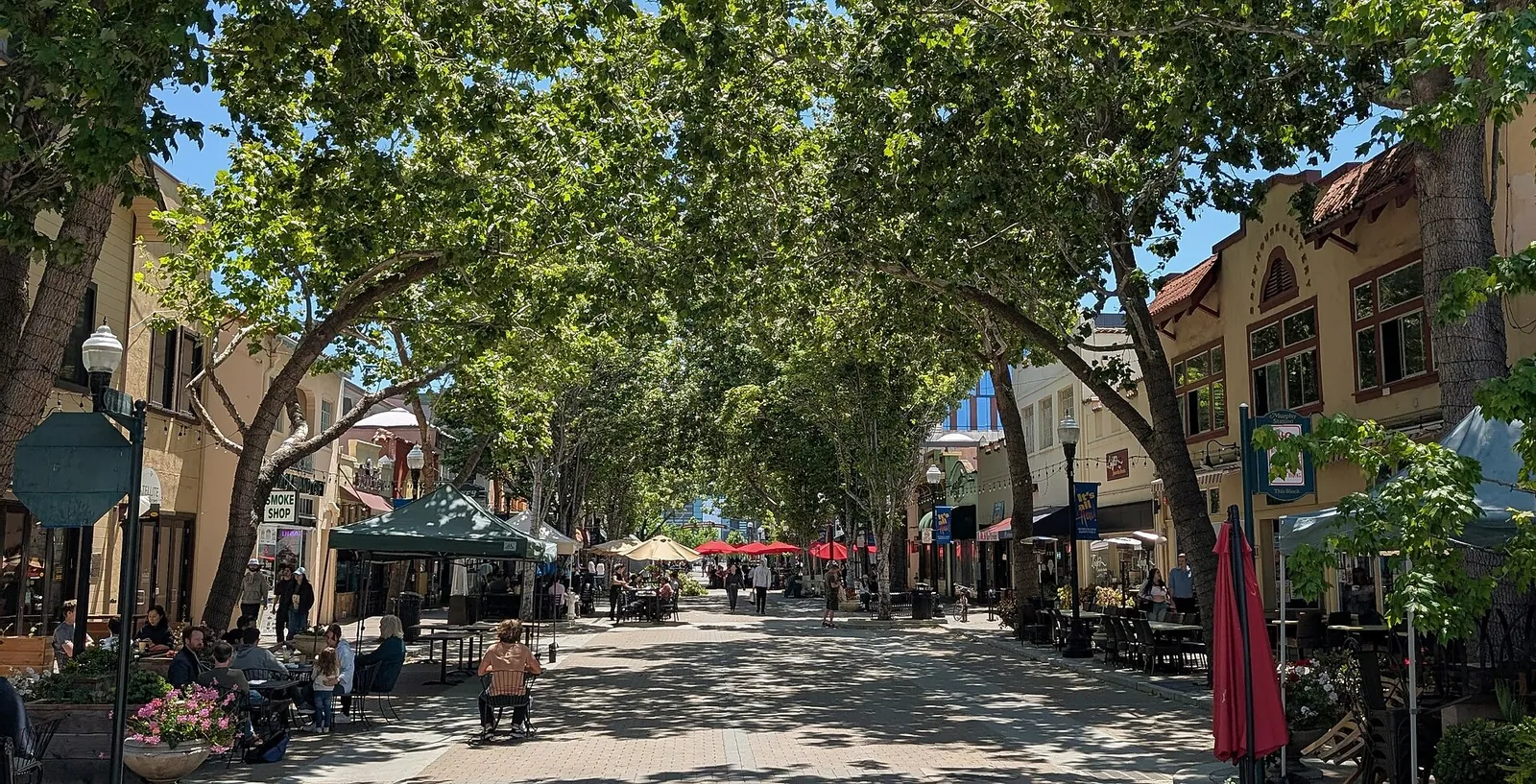
The historic commercial block remains a recognizable downtown destination. The city has designated its pedestrian mall and continues to publish improvement information. Enjoy the setting while distinguishing the experience available today from future streetscape work shown in project illustrations.
Sunnyvale Caltrain station
The downtown station creates an option for regional travel. Its usefulness depends on the exact home-to-platform route, the trains serving your destination, and your return schedule. Test the trip that matters to you instead of assuming every Sunnyvale address is equally connected.
Baylands Park
Developed recreation areas meet protected seasonal wetlands at the northern edge of the city. The park offers a different outing from a neighborhood playground or downtown stroll. Review current access arrangements and park rules when deciding how it fits into your weekly routine.
Homes in Sunnyvale.
Downtown and station-area residences
Consider how access, nearby activity, and building amenities fit together. In a condominium, the position of the unit, elevator or stair arrangement, parking rights, and shared costs may be more consequential than a similar-looking unit’s finishes.
Detached homes on established streets
Compare practical dimensions: usable yard, driveway, side access, room layout, and the condition of systems behind remodeled surfaces. Check how the property meets a larger road, rail corridor, or nearby commercial use before assuming the street is uniformly quiet.
Townhomes with compact outdoor space
A smaller footprint can simplify some household tasks while introducing more stairs or shared responsibilities. Walk through a normal morning, from bedroom to kitchen to garage, and confirm which exterior elements the owner and association each maintain.
Everyday life in Sunnyvale.
Downtown deserves more than a drive-by. Arrive from the residential streets you are considering, spend time around Murphy Avenue, and find the station entrance. The connection between these places helps you decide whether dining, errands, and rail travel can become natural parts of the same outing.
For homes elsewhere in Sunnyvale, build a separate routine around their actual surroundings. Visit the nearest park and grocery destination, check crossings on major roads, and test your work trip. Baylands Park may be a favorite destination without being an amenity that you can casually walk to from every neighborhood.
Buying and selling in Sunnyvale.
When you’re buying in Sunnyvale.
- Near downtown construction or redevelopment, read the city’s current project status and distinguish proposed uses from completed shops, homes, or public spaces.
- For a home close to rail or a major road, experience the interior and outdoor areas at different times; sound and access vary with the address.
- When comparing townhomes, include association dues, insurance arrangements, reserves, and upcoming work in the ownership picture rather than judging only the purchase price.
When you’re selling in Sunnyvale.
- Give buyers a clear account of the home’s usable outdoor space, storage, and parking. These differences can be difficult to understand from room photographs alone.
- Position downtown proximity accurately, with the route to Murphy Avenue and the station where relevant, and avoid presenting pending development as a completed benefit.
- Prepare renovation documentation and a concise maintenance history so the value of less visible improvements can stand alongside the attractive finishes.
Questions about Sunnyvale.
Is Sunnyvale’s downtown only Murphy Avenue?
No. The city’s downtown area also includes the surrounding core, public spaces, and mixed-use development. Murphy Avenue provides a historic focal point, but your home search should consider the full area and its changing connections.
Can a Sunnyvale address support a Caltrain commute?
Potentially. Begin with the actual route to the station and the current timetable for your destination. Include parking or bicycle arrangements and the trip home before deciding how much value that connection adds.
How should I evaluate a home near Baylands Park?
Separate the recreation benefit from property due diligence. Check a usable park route, then review the home’s own condition, hazard information, insurance, and surroundings rather than inferring those details from proximity to open space.
Local resources.
Explore official local information, check current conditions, and investigate the address you’re considering. A community overview is a starting point; a particular home needs its own review.
Prepared October 2026 using the linked public resources. Routes, access, services, and local requirements can change. Confirm current details with the relevant provider or jurisdiction. Map points indicate communities, not office locations.
