
Find your everyday Bay Area
Explore the region through real routines, door-to-door journeys, housing choices and a relocation plan with room to learn.
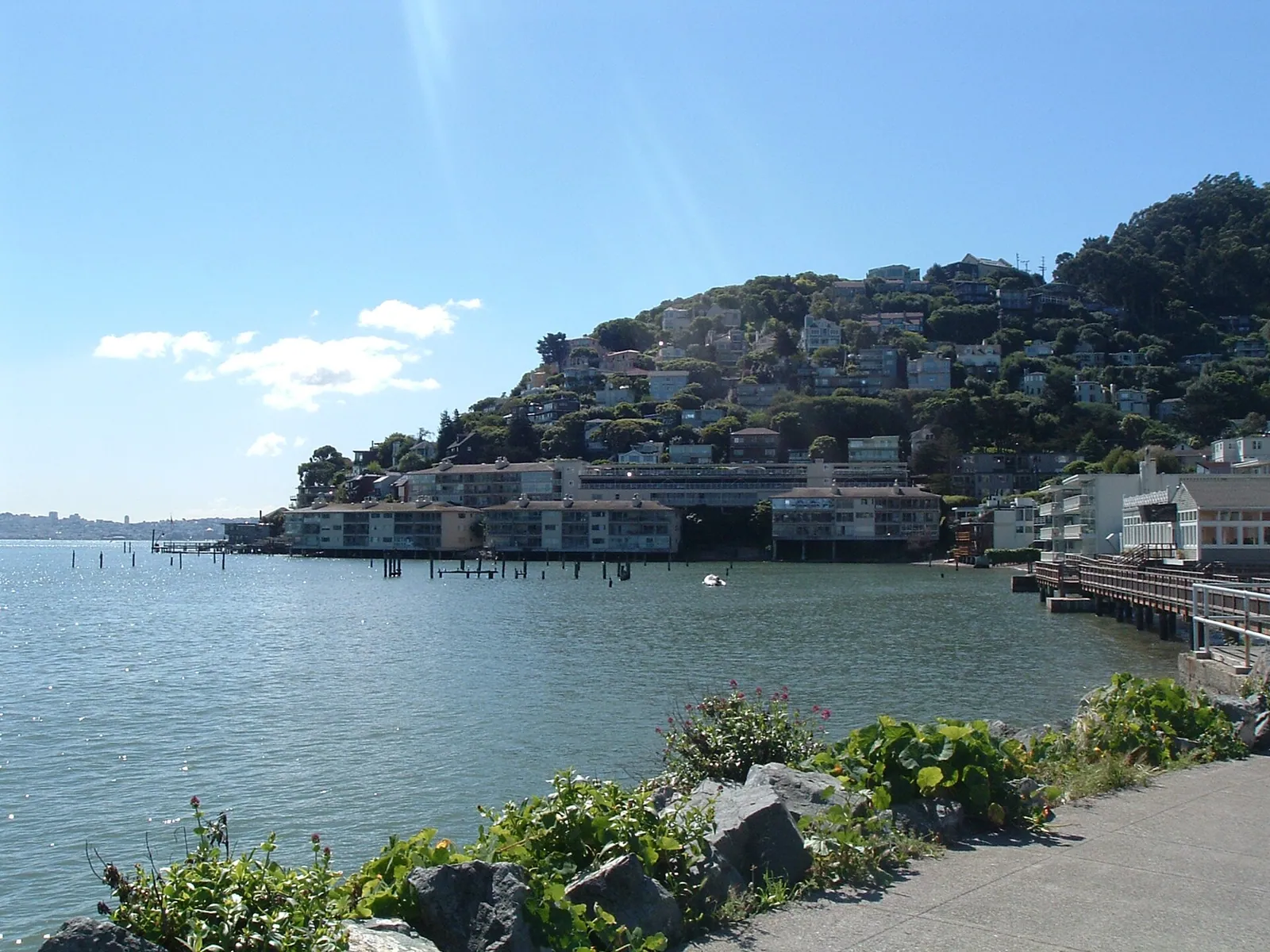
Relocating is easier to imagine through a weekend photograph than through a full week. The place that feels wonderful on a first visit still needs to work when you are carrying groceries, heading to an appointment or arriving home late. Start there, and the Bay Area becomes a collection of places you can investigate instead of an overwhelming map.
You do not need to choose a city immediately. A useful first phase is to identify a few contrasting options, test your assumptions and learn which compromises matter to you. The shortlist can change as your understanding improves.
Make a map of your actual life
Mark the destinations that are genuinely fixed: a workplace you must attend, recurring appointments, an existing support network or an activity you want to maintain. Separate these from destinations you could change. Add the days and times you expect to make each journey.
Then describe the home itself. Consider workspace, parking, stairs, outdoor maintenance, storage and whether you would prefer shared amenities or more direct control over repairs. A clear description of daily needs is more helpful than a label such as urban or suburban, which can hide very different experiences from block to block.
Test the whole journey
Compare routes from a plausible front door to the destination, including the walk, bike ride, drive, parking or transfer at either end. Use the official BART, Caltrain and regional 511 resources to investigate schedules and service notices. Check the particular trip rather than assuming every train or bus makes the same stops.
Try the journey at the times you expect to travel, and consider how you would return after an evening out or handle a missed connection. Driving time on a quiet weekend is not a reliable promise for a workday. Keep fares, parking and the effort of transfers alongside elapsed time in your comparison.
Explore contrasting places on purpose
Choose a manageable set of places that test different possibilities. You might compare a station-area setting with a hillside location, or an attached home near a commercial street with a detached home farther from your regular destinations. The point is to learn what you value, not to identify a universally best city.
Visit a public park, buy something you normally buy and walk a route you might use regularly. Note pavement and grade, street activity, available services and how the surroundings change at another time of day. Ask yourself what felt useful and what would require an adjustment.
Research the address behind the city name
Once a property becomes interesting, shift from regional exploration to address-level questions. Verify the local jurisdiction, relevant permit records, utilities, association responsibilities and any important access details. A postal city name does not resolve every question about who provides a service or administers a rule.
If schools are part of your research, use the California Department of Education directory to identify official contacts, then confirm assignment and enrollment requirements directly with the district. A nearby school or a listing's school label should not be treated as a guarantee of admission. Apply the same careful approach to any service that is essential to your move.
Give yourself a sensible landing plan
Compare buying immediately with renting while you learn the region. Temporary housing can create breathing room but also adds moving, storage and lease considerations. Immediate ownership may fit your circumstances, provided the property and financial work can be completed without compressing the investigation beyond your comfort.
Build a relocation calendar around verified commitments rather than hopeful dates. Include travel for inspections or appointments, move-in arrangements, building access, utility setup and the days you need to keep working. If you will be away, agree which decisions require you personally and how documents and questions will reach you.
Keep the shortlist honest
After each visit, write a few notes before the next property changes your impression. Record what you observed, what remains unverified and the tradeoff you would be accepting. Give daily friction the same attention as a beautiful view.
Use saved places and community comparisons to keep the discussion focused. Bring Michael the routines you are protecting, the options you liked and the questions that remain. The objective is a search you can explain in ordinary language, with enough flexibility to notice a good fit when you find it.
- What works on a regular workday?
- Which journey have I actually tested?
- What can I verify directly with the responsible agency?
- Would temporary housing change the quality of my decision?
Questions to bring with you.
Can I choose a location entirely from online research?
Online guides are a useful start. Where possible, visit the specific setting and test important journeys. If you cannot, arrange a structured remote review and be explicit about what remains unobserved.
Should I rent before buying?
Compare the learning time and flexibility with the cost and disruption of another move. Your employment, finances, lease options and familiarity with the area all affect that decision.
How many places should I compare?
Start with a small enough shortlist to investigate properly. Add a place when it tests a useful alternative, rather than collecting city names without understanding why they belong.
Read the original resources.
General educational information, prepared October 2026. Requirements and circumstances change. Discuss your specific transaction with the appropriate licensed real estate, lending, legal, insurance, or tax professional.
