
Half Moon Bay.
A coastal home with a life beyond the weekend.
A practical Half Moon Bay real estate guide to Main Street, the Coastside Trail, beach access, neighborhood choices, and thoughtful coastal home ownership.
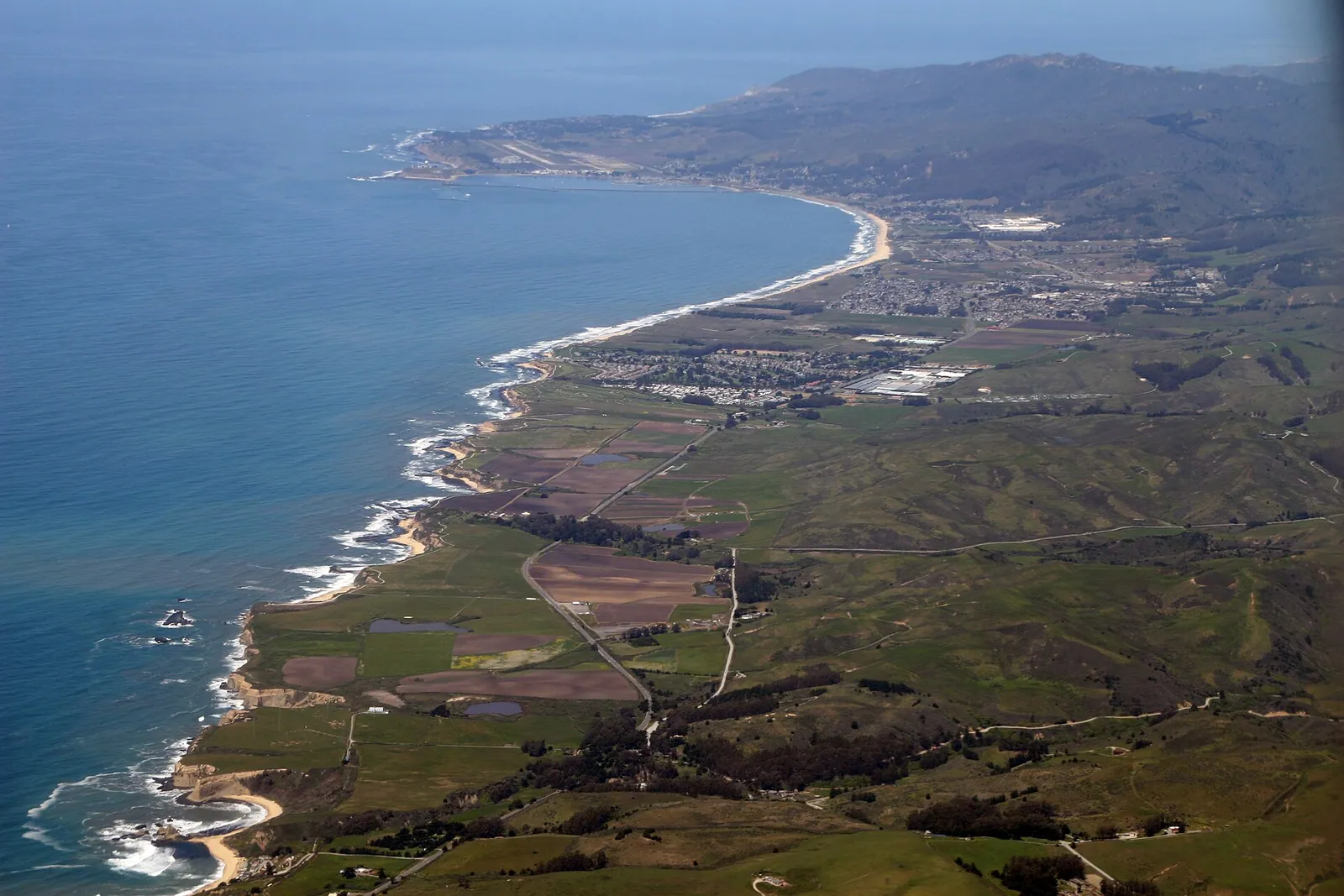
A closer look at Half Moon Bay.
Half Moon Bay offers two experiences that are easy to combine on a visit: a Main Street downtown and an expansive stretch of coast. Choosing a home means deciding how you want to move between them. A house near the town center, a residence closer to the coastal trail, and a property toward the hills can produce very different daily patterns.
The wider Coastside also includes communities outside Half Moon Bay’s city limits. Confirm exactly where a property sits before comparing services, planning requirements, or neighboring homes. This guide focuses on Half Moon Bay itself while recognizing that your search may naturally extend north or south along the coast.
Main Street
Downtown provides a recognizable center for shops, restaurants, and a walking visit. The connections between Main Street, Kelly Avenue, and the coast are worth testing from an actual property.
Half Moon Bay State Beach
Francis, Venice, Dunes, and Roosevelt are the state beach’s four day-use areas. Their different entrances help explain why beach access should be assessed address by address.
The Coastside Trail
The coastal path follows the eastern side of the state beaches and connects with the city’s broader coastal trail setting. Check current access notices before choosing a route.
Homes in Half Moon Bay.
Homes around the town center
A location near downtown can make Main Street part of your routine. Compare the home’s layout, parking, outdoor privacy, and the actual pedestrian route before assuming every nearby address feels equally connected.
Coastal neighborhood houses
Properties nearer the shoreline may place outdoor recreation within your daily orbit. Evaluate exposure, exterior maintenance, site drainage, and the distinction between a visible coastline and a usable public beach entrance.
Larger or individually designed properties
Additional land and a distinctive floor plan can create options, but each parcel needs its own evaluation. Confirm utilities, access, and any proposed changes with the relevant professionals and agencies.
Everyday life in Half Moon Bay.
An appealing first visit starts downtown, continues to Francis Beach, and returns by the route you would use from home. That simple loop reveals where the coastline is accessible and where Highway 1 affects the journey. Visit with the same equipment you actually use, whether that is a bicycle, stroller, or a bag of groceries.
Travel across the hills and along the coast is part of the decision. Try the Highway 92 or Highway 1 journey that matters to you at a relevant time, and include a weekend visit. At the property, notice how the outdoor spaces perform in marine weather rather than relying entirely on a sunny photograph.
Buying and selling in Half Moon Bay.
When you’re buying in Half Moon Bay.
- Confirm city boundaries and the applicable planning authority. A Half Moon Bay mailing address is not sufficient evidence that every property follows the same local process.
- Investigate the home’s specific coastal and site conditions, including drainage and exterior condition. Ask your inspection team where specialist review would add useful information.
- Treat expansion, an accessory structure, or a change of use as a separate feasibility question. Ask for parcel-specific guidance before building those possibilities into your decision.
When you’re selling in Half Moon Bay.
- Describe actual beach and trail access with care. Show the route and entry point without implying that all coastline next to a property is publicly accessible.
- Make maintenance records and property improvements easy to understand, especially when the house has custom features or several phases of construction.
- Present the home as a place to live throughout the week. Demonstrate storage, workspace, and ordinary errands alongside the coastside scenery.
Questions about Half Moon Bay.
How do I compare downtown and beach-oriented locations?
Choose a few repeat destinations and travel to them from each property. Downtown proximity may support visits to Main Street, while a coastal location may better suit your trail routine. Pay attention to Highway 1 crossings and the nearest public beach entrance. The strongest choice is the home whose actual routes match your habits, rather than the address with the closest map pin.
Is the Coastside Trail the same experience as walking on the beach?
No. The trail provides a coastal route above or beside the beaches, while access to the sand uses particular entry points. California State Parks describes a paved trail along its four beach areas and publishes current visitor guidance. Check the intended segment and its rules before going. A trail connection can be valuable even when direct beach access is farther away.
What should a commuter test before moving to Half Moon Bay?
Try the complete trip to your regular destination at the time you expect to travel, including the return. Compare your route through Highway 92 or along Highway 1 and consider how often you will make it. Remote-work needs, errands, and backup arrangements also matter. A single weekend drive is not enough evidence for a dependable everyday travel expectation.
Local resources.
Explore official local information, check current conditions, and investigate the address you’re considering. A community overview is a starting point; a particular home needs its own review.
Prepared October 2026 using the linked public resources. Routes, access, services, and local requirements can change. Confirm current details with the relevant provider or jurisdiction. Map points indicate communities, not office locations.
