
Mill Valley.
Redwood shade, village rhythm and a trail-minded day.
A practical Mill Valley real estate guide to downtown, redwood settings and hillside homes, including access, daylight, property condition and planning checks.
A closer look at Mill Valley.
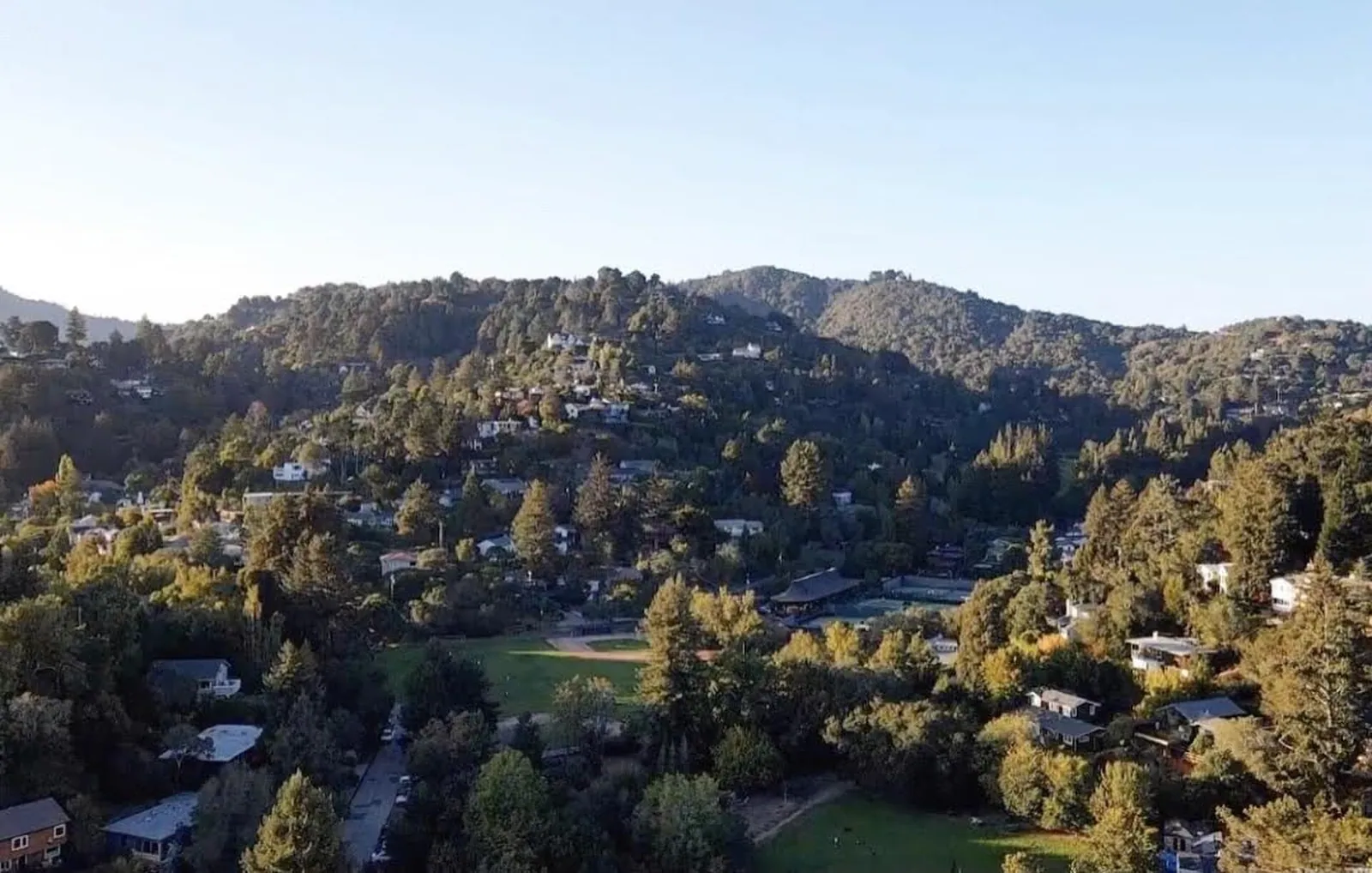
Mill Valley’s appeal is often described through its trees, but the useful distinction is how a home sits among them. A sheltered canyon, an open hillside and a street near the downtown shops can produce very different experiences of light, outdoor space and getting around. The town rewards a search that starts with those differences instead of treating every address as the same wooded retreat.
The downtown area and Old Mill Park make a natural introduction, while the city’s steps, lanes and paths reveal connections that a driving tour can miss. The right home might be close to daily errands, set farther into the slopes or oriented toward more open space. Michael Fadeeff can help you compare those choices with equal attention to atmosphere and the practical work of ownership.
Old Mill Park
A redwood grove surrounds the historic Reed Mill, picnic areas and an amphitheater. This is an especially useful place to begin a visit: spend time in the shade, then walk the neighboring streets to see how the same landscape shapes nearby homes.
Downtown on foot
The city’s pedestrian network maps identify downtown alongside parks, civic facilities and connecting paths. Walk a complete loop through the center rather than judging a home’s convenience from one attractive storefront or an estimated straight-line distance.
Steps, lanes and paths
Mill Valley’s documented pedestrian network includes stairs and informal-feeling connections as well as streets. These routes can make exploration delightful, but a connection suitable for a recreational walk may be less practical with luggage, a stroller or mobility needs.
Homes in Mill Valley.
Canyon and woodland settings
A home framed by trees can offer an unusually intimate outlook. Examine roof condition, ventilation, drainage, tree-related maintenance and the amount of light reaching living spaces. Ask appropriate professionals about specific trees and structures instead of treating all wooded lots alike.
Hillside homes with layered plans
Sloped sites often produce rooms on several levels and outdoor areas in separate pockets. Compare usable space with the listed lot size, and understand stairs, driveway geometry and retaining systems. Remodeling ambitions should be checked with the responsible planning authority before purchase.
Homes closer to the everyday center
Properties near downtown or the city’s main corridors may put more errands within a manageable walk. Test the actual route and street crossings. For attached homes, association documents and shared maintenance plans deserve the same attention as the interior finishes.
Everyday life in Mill Valley.
Build a scouting day around ordinary tasks. Walk from a candidate home toward a park or the center, then return carrying something. Notice grade, sidewalks and the transition from a sunny main street into shaded lanes. Those details tell you more about your future routine than a broad claim of walkability.
Outdoor preferences are worth being specific about here. Some buyers want a quiet deck under trees; others want enough direct sun for gardening or an open-air workspace. Visit at different hours and ask how the property manages water during wet weather. The most beautiful setting still needs to fit your habits.
Buying and selling in Mill Valley.
When you’re buying in Mill Valley.
- Confirm whether the parcel is inside Mill Valley or in an unincorporated area sharing its postal identity. Permit research and applicable requirements should follow the jurisdiction.
- Review address-specific fire and other hazard information, emergency access and insurance availability early. Topography and site conditions vary too much for a citywide assumption.
- Separate documented living area from converted space. For a potential addition or accessory unit, ask about the actual lot, access and constraints before assigning value to an idea.
When you’re selling in Mill Valley.
- Show how the home lives through the seasons: useful sun, sheltered outdoor seating, storage and everyday access. Photographs should explain the setting as well as celebrate it.
- Provide an organized record of roof, drainage, tree and hillside maintenance where available. Buyers evaluating a wooded property benefit from understanding how it has been cared for.
- Map a truthful walking route to nearby destinations, clearly noting stairs or grades. Precise practical detail can be more helpful than an unqualified description of convenience.
Questions about Mill Valley.
How should I compare a canyon home with a more open Mill Valley site?
Compare daylight, outdoor usability, stairs, drainage and ongoing landscape care at the specific property. Visit both at similar times of day. The distinction is about the experience and responsibilities of the lot, not a blanket ranking of one setting over another.
Where can I check Mill Valley remodeling rules?
The city’s Planning Division provides design review, zoning and application resources for properties in its jurisdiction. First confirm the parcel boundary; a Mill Valley mailing address can require a different authority. Obtain property-specific guidance before treating a remodeling concept as feasible.
Are the paths useful for everyday travel?
They can be, and the city’s mobility mapping is a useful starting point. Walk the route yourself to evaluate stairs, surfaces and access. A path that works for a weekend outing may not meet your needs for groceries, cycling or step-free travel.
Local resources.
Explore official local information, check current conditions, and investigate the address you’re considering. A community overview is a starting point; a particular home needs its own review.
Prepared October 2026 using the linked public resources. Routes, access, services, and local requirements can change. Confirm current details with the relevant provider or jurisdiction. Map points indicate communities, not office locations.
