
Benicia.
A waterfront town with history in the streets.
A Benicia real estate guide to First Street, the Carquinez shoreline and residential hills, with practical comparisons for buyers and sellers.
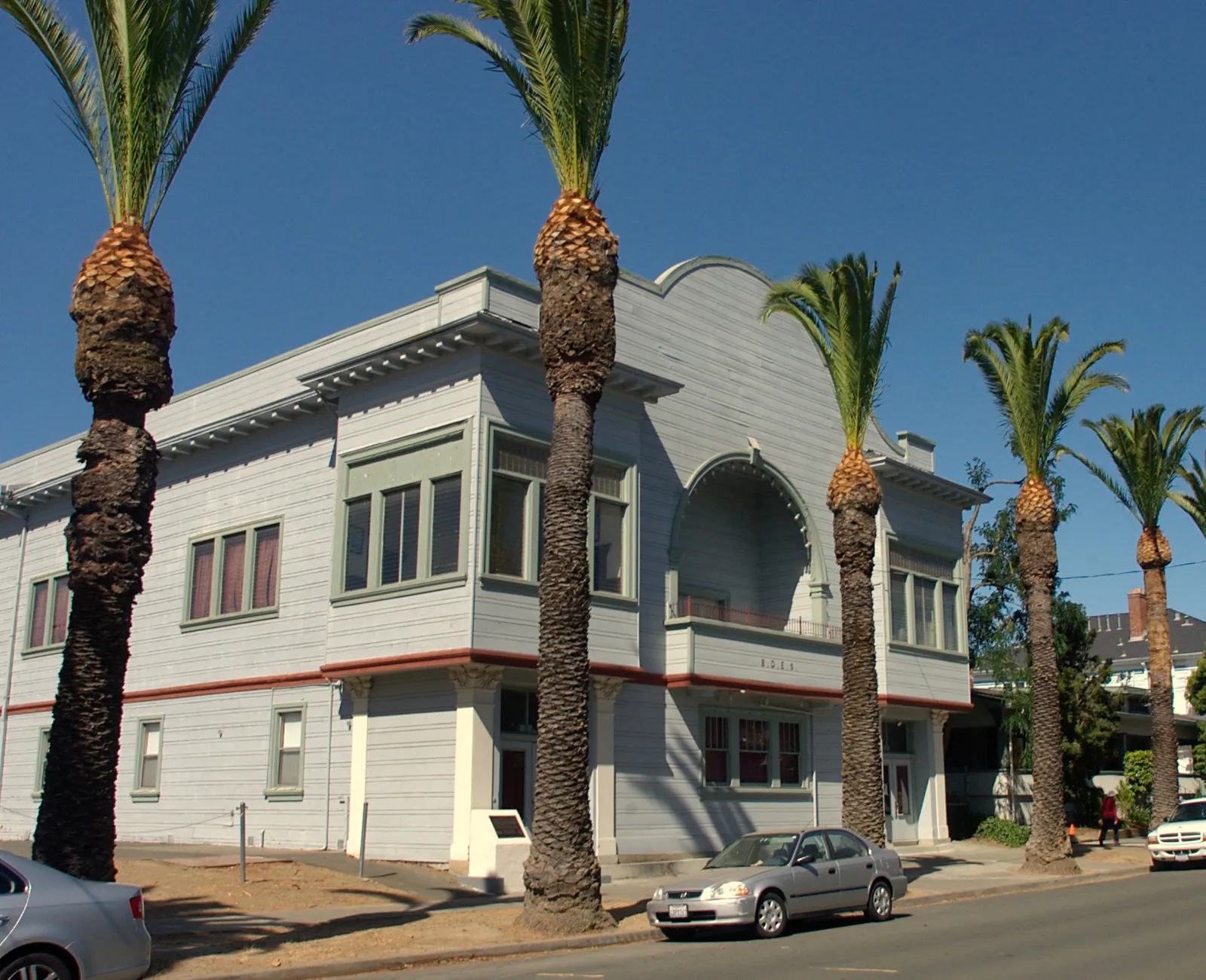
A closer look at Benicia.
Benicia’s appeal begins with a legible relationship between town and water. First Street leads toward the Carquinez Strait, while residential areas offer different combinations of downtown access, outlook and outdoor space. The choice is less about finding a single best neighborhood than deciding how you want the waterfront to enter your daily life.
A home near the center can encourage frequent short outings. A property farther into the residential hills may place more emphasis on its own interior and garden. Michael Fadeeff can help compare those experiences, using the actual route, lot and building condition to move beyond the broad appeal of a waterfront address.
First Street and the waterfront
Benicia’s waterfront planning focuses on the area between First Street and the marina. Walk this setting as part of a home-search visit, then follow the route back to the residential streets you are considering. Planned enhancements should be distinguished from completed facilities.
Benicia Capitol State Historic Park
The surviving pre-Sacramento capitol gives the town center a direct connection to California’s history. It is a useful landmark when exploring the surrounding streets and understanding the architectural setting. Check current visiting information with California State Parks.
Benicia State Recreation Area
West of the town center, the state recreation area combines tidal marsh, grassy hillsides and rocky shoreline. It offers a different outdoor experience from First Street. Compare legal entrances and practical access from home rather than relying on distance to the park boundary.
Homes in Benicia.
Older homes near downtown
A central house may offer distinctive architecture and a close relationship to public life. Examine its alteration history, structural condition and systems, and investigate any historic status before planning changes. Understand street parking and private outdoor space during ordinary days and busier occasions.
Hillside and view-oriented homes
For a home with an outlook toward the strait, assess orientation, wind, usable outdoor areas and the route from parking to the living spaces. Inspect retaining structures and drainage when relevant. A view should be considered alongside the work required to maintain the site.
Attached homes and planned settings
Condominiums and other association-managed properties can offer a different maintenance balance. Review exterior responsibilities, reserves, insurance and parking rights. Compare the complete ownership arrangement with a detached home rather than focusing only on interior square footage.
Everyday life in Benicia.
Make a visit that includes both the center and the residential street you might choose. Walk to a real destination, pause by the water and return by the route you would use. Notice where the grade, wind exposure or street pattern changes; those details can shape how often you make the trip.
For regional travel, examine current SolTrans connections and the relevant road routes. Benicia’s position near several Bay Area destinations does not translate into one universal commute. Test your own destination, timing and transfer needs before letting a broad regional label drive the choice.
Buying and selling in Benicia.
When you’re buying in Benicia.
- Investigate historic status and past approvals for a downtown-area property. Preserve the distinction between attractive period character and legally documented work.
- For shoreline or slope-related settings, review parcel-specific hazards, drainage and insurance. Conditions can change considerably within a short distance.
- Verify any claimed access, view protection or expansion opportunity through title and planning research. Marketing language is a starting point for questions, not proof of rights.
When you’re selling in Benicia.
- Show the home’s relationship to the strait from usable spaces, and describe the route to public waterfront areas accurately. Distinguish a water view from direct access.
- Collect records for exterior maintenance, structural work and older-home upgrades. Buyers can better appreciate the setting when its responsibilities are clear.
- Explain parking and access for a visit, especially near the center or on a sloped site. A thoughtful arrival helps buyers understand how the property works day to day.
Questions about Benicia.
Is Benicia’s waterfront all one kind of setting?
No. The First Street and marina area provides a town-center waterfront experience, while Benicia State Recreation Area has marsh, hillside and rocky shoreline landscapes. Explore both and assess the actual connection from each candidate home.
Does Benicia have a historic state capitol?
Yes. California State Parks identifies Benicia Capitol State Historic Park as the surviving pre-Sacramento capitol. It is a downtown landmark to include in a visit; use the park’s current information for access and opening details.
What should I compare between a downtown home and a hillside home?
Compare ordinary walking routes, parking, usable outdoor space, view orientation and maintenance. Then add the property-specific questions: historic context for an older building, or slope and drainage for a hillside site. Neither location label replaces a complete inspection.
Local resources.
Explore official local information, check current conditions, and investigate the address you’re considering. A community overview is a starting point; a particular home needs its own review.
Prepared October 2026 using the linked public resources. Routes, access, services, and local requirements can change. Confirm current details with the relevant provider or jurisdiction. Map points indicate communities, not office locations.
