
Vallejo.
Maritime history, a working waterfront and possibilities to explore.
Explore Vallejo homes across waterfront, established neighborhoods and Mare Island, with practical guidance on ferry access, older properties and ownership.
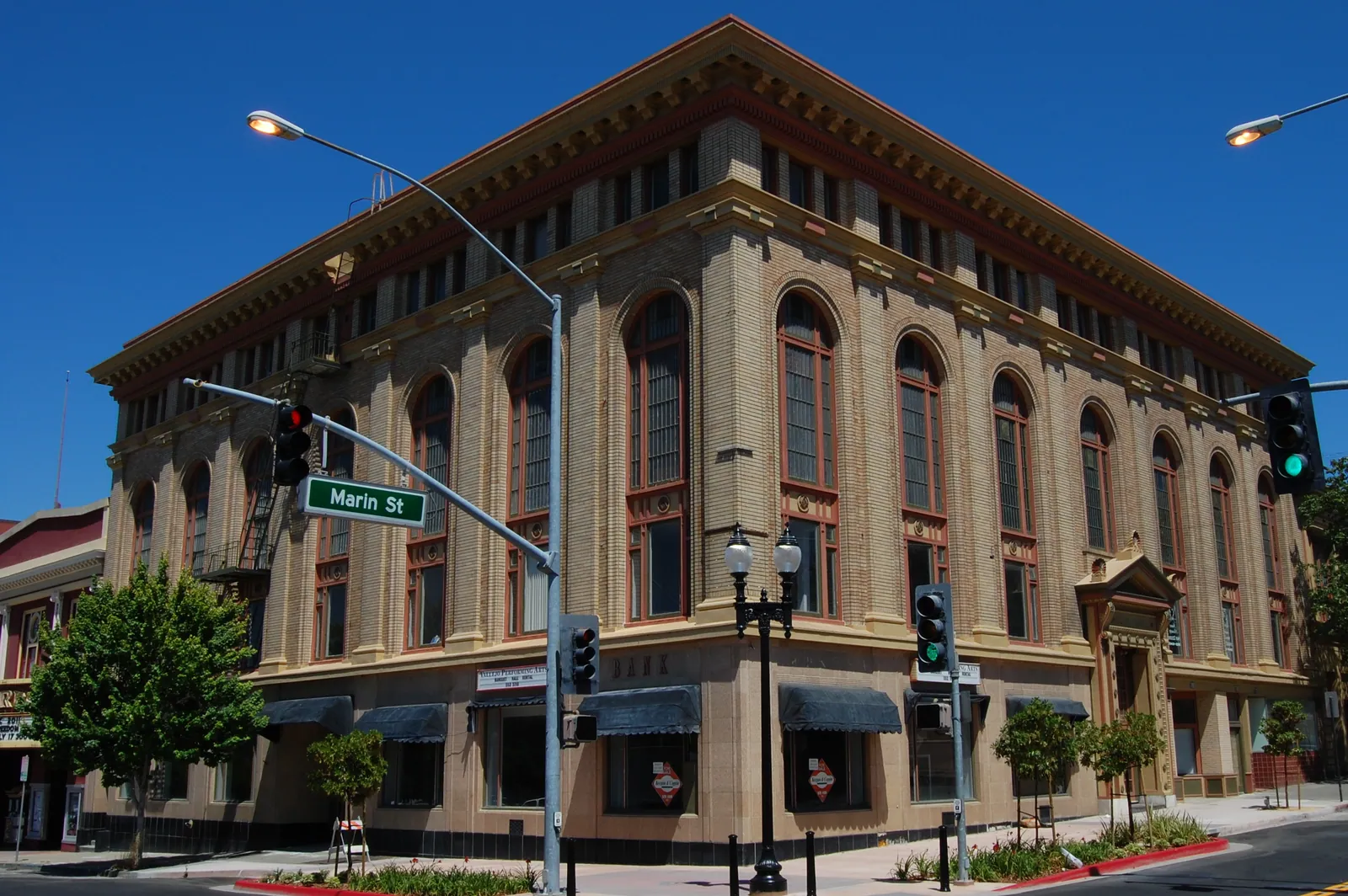
A closer look at Vallejo.
Vallejo’s waterfront is a useful starting point, but it does not tell the whole city’s story. The ferry terminal, established residential streets and Mare Island each offer a different way to understand the place. A strong home search connects those larger landmarks to the specific block, building and route that would become yours.
Vallejo also rewards careful attention to property history. An older house, a later subdivision and a home in a former naval setting raise different questions, even when their interiors look similarly updated. Michael Fadeeff can help compare those choices with a clear view of condition, documentation and daily logistics, without reducing the city to a single market label.
The Vallejo ferry connection
San Francisco Bay Ferry operates the Vallejo route. For buyers considering a water-based commute, the terminal is an important anchor, but the complete trip includes reaching it, the current sailing pattern and travel from the arrival terminal to the destination.
Independence Park and the waterfront
Independence Park provides a public waterfront setting along Mare Island Way. Visit before or after exploring the center, and assess how the route feels from a specific home rather than treating the whole city as equally connected to the water.
Mare Island
The former naval shipyard has a distinct landscape of historic structures, businesses, homes and open spaces. The city publishes reuse and specific-plan documents. Read the status of plans carefully and investigate the particular parcel instead of assuming island-wide conditions are uniform.
Homes in Vallejo.
Older homes in established streets
Period details can be an important part of a Vallejo home’s appeal. They also make the sequence of alterations worth understanding. Inspect foundations and major systems, document additions and conversions, and evaluate whether the floor plan meets your needs without an untested remodeling assumption.
Later residential areas
Compare detached and attached homes by usable outdoor area, street access and the route to shopping or transit. For an association-managed property, examine reserves, insurance and planned work. A larger interior should be weighed against the full maintenance picture.
Mare Island property
For a home on Mare Island, review title, applicable planning documents, infrastructure responsibilities and any property-specific environmental information with qualified professionals. Its reuse history is a reason for precise research, not a basis for assuming either a problem or a guarantee.
Everyday life in Vallejo.
Try the ferry journey if it is central to your plans, including the return trip you would normally make. Check parking or connecting transit arrangements directly with the operators. Keep a practical alternative for days when your schedule does not align with a sailing.
Spend time on the candidate block at several ordinary hours. Look at parking, the route for errands, exterior upkeep and how the house relates to its neighbors and public spaces. The useful evidence comes from your routine and the property itself, rather than broad impressions of the city.
Buying and selling in Vallejo.
When you’re buying in Vallejo.
- Treat converted garages, added rooms and secondary living areas as research items. Confirm records and intended legal use before counting them toward your plans.
- Ask for detailed information on any parcel-specific environmental or infrastructure issues, particularly where prior land uses warrant investigation. Use appropriate specialists to interpret the records.
- Check ferry, bus and road options against real destination and timing needs. A direct regional connection does not eliminate the importance of the first and last portions of a trip.
When you’re selling in Vallejo.
- Give buyers a clear history of repairs and alterations, especially for an older house. A well-organized record can make architectural character easier to evaluate with confidence.
- Explain the exact waterfront or ferry relationship with a practical route. Avoid a citywide commute claim that the property’s location cannot support.
- Address documentation questions early for unusual ownership, prior-use or shared-infrastructure situations. Clarity helps buyers understand the property on its own merits.
Questions about Vallejo.
Can I travel from Vallejo to San Francisco by ferry?
Yes. San Francisco Bay Ferry publishes the Vallejo route and terminal information. Check the current schedule, service notices and terminal connections for your intended journey. This guide does not assume a fixed sailing or door-to-door travel time.
Should I evaluate Mare Island differently from another Vallejo neighborhood?
Its former naval use and ongoing reuse planning add specific records to review. Examine the actual parcel, title, infrastructure and any relevant environmental documentation with qualified professionals. Do not substitute a general island description for property-level due diligence.
What matters most when comparing two renovated older Vallejo homes?
Compare the scope and documentation of the renovations, underlying systems, layout, site conditions and ownership obligations. New surfaces can be appealing, but they do not establish that structural or system work was completed or approved.
Local resources.
Explore official local information, check current conditions, and investigate the address you’re considering. A community overview is a starting point; a particular home needs its own review.
Prepared October 2026 using the linked public resources. Routes, access, services, and local requirements can change. Confirm current details with the relevant provider or jurisdiction. Map points indicate communities, not office locations.
