
Millbrae.
Where a well-connected day begins at home.
Explore Millbrae homes with a clear view of BART and Caltrain connections, Central Park, hillside settings, and the difference between map proximity and everyday convenience.
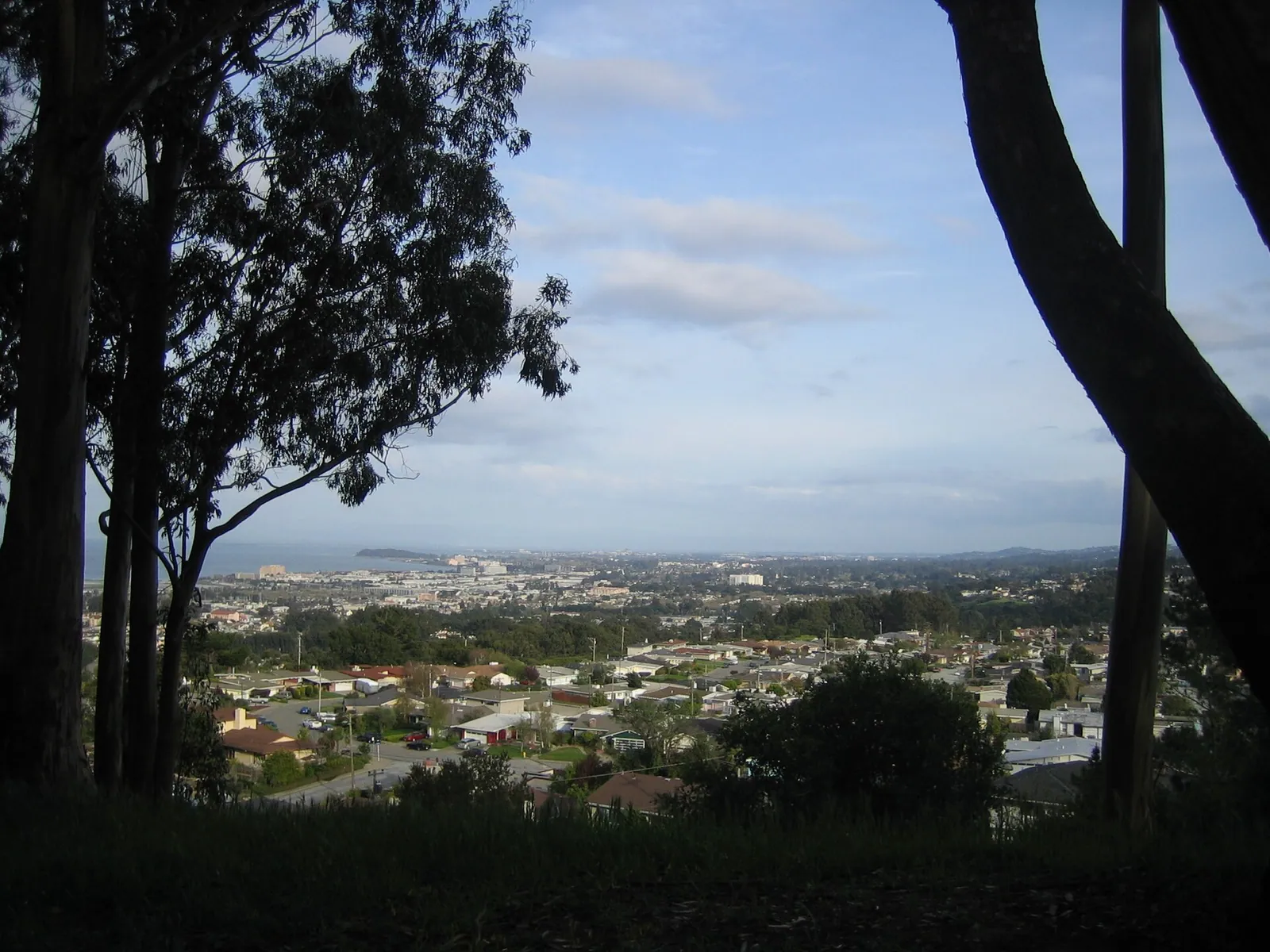
A closer look at Millbrae.
Millbrae’s transportation hub is a defining feature, bringing BART and Caltrain together in one station complex. That gives a home search a strong regional reference point. Yet the residential experience changes as you move from the station area toward the streets and hills to the west, so rail access should be one part of a broader comparison.
The most useful questions are personal and specific. Will you walk to the station or arrive another way? Do you want an outdoor area for entertaining, a compact home with shared maintenance, or more separation between living spaces? A Millbrae address can support several of these priorities, but a particular property must prove the fit.
Millbrae intermodal station
BART and Caltrain meet here, with official transfer information published by the operators. Check your particular connection and the station approach instead of assuming every transfer is immediate.
Central Park
On Lincoln Circle, Central Park includes open playing space, picnic areas, tennis courts, and a playground beside the recreation center. It offers a local counterpoint to the regional transportation hub.
Junipero Serra Park nearby
The county park sits behind Millbrae and San Bruno, with foothill trails and Bay outlooks. Visit via a designated entrance to understand how it relates to the neighborhood you are considering.
Homes in Millbrae.
Established detached homes
Compare orientation, room connections, and the usable portion of the lot. Updated finishes should be considered alongside the age and condition of systems and any documentation supporting changes to the original home.
Homes climbing toward the hills
The property’s approach and changes in level can become daily considerations. Assess steps, driveway use, outdoor seating, and the condition of slopes or retaining features rather than evaluating the view alone.
Attached homes and station-area options
Condominiums and townhomes can suit buyers seeking a different maintenance arrangement. Read the governing documents and financial records, and test the actual route to the station from the building entrance.
Everyday life in Millbrae.
A useful first visit pairs a walk around Central Park with a trip through the station complex. The contrast helps you decide how much of your routine revolves around the transportation connection. Follow the route from a candidate home and note elevation, major crossings, and where a bicycle or car would be stored.
Airport and rail proximity should be experienced directly. Visit the home at different times, spend a few minutes in the garden, and compare interiors with windows open and closed. A property’s orientation, construction, and room placement can change your experience, so city-level assumptions are less useful than careful observation.
Buying and selling in Millbrae.
When you’re buying in Millbrae.
- Use the current BART–Caltrain transfer timetable for your journey. Factor in the path through the station and any schedule or construction changes.
- Distinguish a home near the station by distance from one with a convenient pedestrian approach. Walk the complete route before giving that feature substantial weight.
- For a sloping lot, investigate drainage, retaining features, and any plans to alter the outdoor space. Ask qualified professionals to assess the actual site.
When you’re selling in Millbrae.
- Make transportation information precise and current, with links to the operators. Buyers can test their own destinations without relying on a fixed commute claim.
- Photograph the home’s natural light and usable outdoor areas as carefully as the remodeled rooms. Show the approach when elevation is part of the setting.
- Assemble improvement records and explain the ownership responsibilities. Clear information helps buyers compare a detached house with nearby attached alternatives.
Questions about Millbrae.
What makes Millbrae different from nearby rail-served cities?
Millbrae brings BART and Caltrain together at one station complex, creating a regional transfer point. Nearby cities may have one system or separate stations. The value of that connection depends on where and when you travel. Consult the operators’ current transfer information, then test the route from the property, including the walk through the station and the return trip.
Does a hillside Millbrae home still work for a transit routine?
It may, depending on the address and how you plan to reach the station. Compare walking, cycling, bus, or driving options and include the uphill return. Storage, station access, and service schedules matter alongside distance. A trial journey is especially helpful here because the experience of a route can differ substantially from the straight line shown on a map.
How should I weigh outdoor space against station proximity?
List how often you expect to use each feature and what it needs to provide. A garden used every evening may deserve more weight than an occasional train trip; a daily regional journey may reverse that balance. Tour contrasting properties, spend time in their outdoor areas, and test their routes. The comparison becomes clearer when it is tied to actual habits.
Local resources.
Explore official local information, check current conditions, and investigate the address you’re considering. A community overview is a starting point; a particular home needs its own review.
Prepared October 2026 using the linked public resources. Routes, access, services, and local requirements can change. Confirm current details with the relevant provider or jurisdiction. Map points indicate communities, not office locations.
