
South San Francisco.
A city of hillside homes and bayside possibilities.
Compare South San Francisco real estate by neighborhood setting, rail access, Orange Memorial Park, the Oyster Point shoreline, and the daily routes that matter to you.
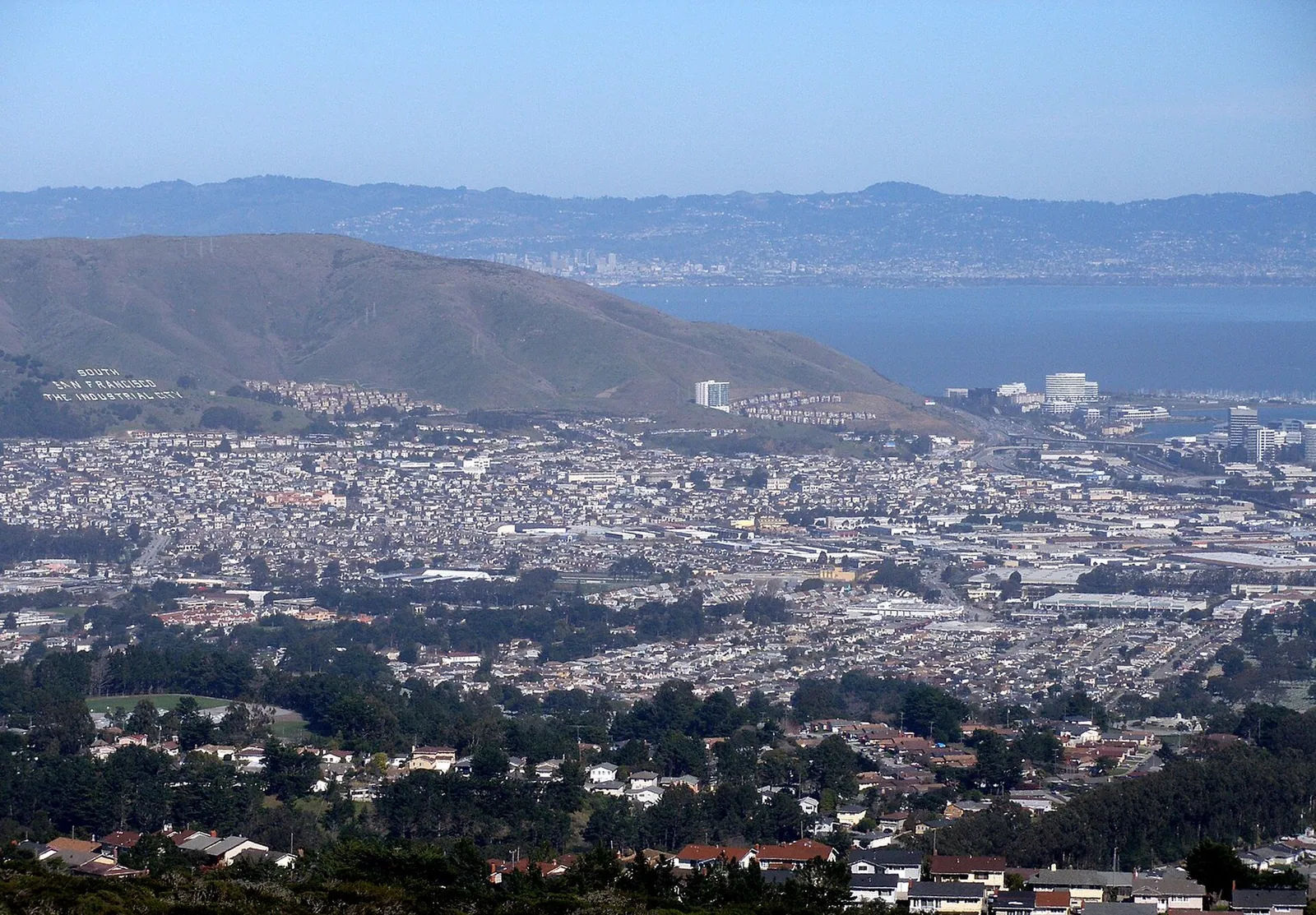
A closer look at South San Francisco.
South San Francisco is its own city, with a downtown, hillside residential areas, and a bayside district that each deserve a separate look. A home near Grand Avenue presents a different daily picture from a house farther west or a residence oriented toward the shoreline. The best search begins by identifying which parts of this geography you will use most.
Transportation is a particularly useful filter here. BART and Caltrain serve different locations, while the rail corridor and Highway 101 shape how people move between the downtown and the bay. Michael Fadeeff can help you compare actual routes, the home’s layout, and its surroundings together, so a promising location becomes a practical choice.
Orange Memorial Park
This established recreation destination appears on the city’s parks and public art map alongside Centennial Way. Use it as an anchor for exploring nearby residential streets and current recreation offerings.
Two rail connections
South San Francisco BART is on Mission Road. Caltrain has separate pedestrian approaches from Airport Boulevard and the east side near East Grand Avenue; confirm which connection fits your trips.
Oyster Point shoreline
The city’s shoreline park improvements and the public parks map identify a bayside outdoor setting distinct from the western hills. Check current public access and project information before a visit.
Homes in South San Francisco.
Houses in established neighborhoods
Look closely at the balance between original rooms, later additions, and outdoor space. A useful floor plan may matter more than surface finishes, particularly when the house has been changed over several decades.
Elevated residential settings
On sloping streets, evaluate the approach and the use of each level. Views, stairs, parking, and the condition of retaining features belong in the same conversation rather than separate columns on a wish list.
Condominiums and townhomes
Attached housing can offer different combinations of shared amenities and exterior care. Compare association records, storage, parking, and the exact relationship to transit or employment destinations before deciding what convenience means.
Everyday life in South San Francisco.
Build a first outing around three stops: downtown, Orange Memorial Park, and the shoreline. It is an effective way to see how much the city changes from one setting to another. Then repeat the part of that journey that would matter most from a particular home, including any underpass, crossing, or uphill return.
A property near a major route should be experienced at the hours you expect to be home. Listen from living rooms, bedrooms, and the yard; check how the sun enters the spaces you will use. For sellers, a clear explanation of these everyday details helps buyers understand the property beyond the city’s regional position.
Buying and selling in South San Francisco.
When you’re buying in South San Francisco.
- Choose the relevant station before filtering by distance. South San Francisco’s BART and Caltrain facilities support different trips and have distinct approaches.
- Ask what is planned near a property, using current city project information. Distinguish an adopted proposal or construction site from a completed amenity.
- Evaluate drainage, exterior condition, and any altered rooms with appropriate inspectors. Hillside and lower-lying sites call for property-specific questions.
When you’re selling in South San Francisco.
- Explain the property’s precise setting: downtown, a residential hillside, or proximity to bayside destinations. Help buyers understand the actual daily connections.
- Document practical improvements such as windows, drainage, heating, and access. Buyers often need this information as much as a list of decorative updates.
- Select comparable homes with similar terrain and ownership. A shared city name does not make a condo by a corridor equivalent to a detached hillside house.
Questions about South San Francisco.
Is South San Francisco part of the City of San Francisco?
No. South San Francisco is a separate city in San Mateo County. That distinction matters when researching city services, planning records, and the local setting of a property. Use the actual address and jurisdiction when requesting information. For a home search, compare its own downtown, residential areas, and bayside connections rather than treating it as a San Francisco neighborhood.
Which South San Francisco station should I use to judge a commute?
Start with the destination. BART on Mission Road and Caltrain near the downtown and Highway 101 corridor are separate facilities. Caltrain publishes its east and west pedestrian entrances, which can materially change the approach. Check the current service and make a trial trip from the property. The closest station on a map may not serve your intended journey best.
How can I explore the city beyond a home showing?
Visit Orange Memorial Park, walk a portion of downtown, and look at the public shoreline around Oyster Point where access is open. Those stops introduce different parts of the city. Add your own grocery or work-related trip and notice the crossings between districts. A useful tour combines these public places with the specific residential streets on your short list.
Local resources.
Explore official local information, check current conditions, and investigate the address you’re considering. A community overview is a starting point; a particular home needs its own review.
Prepared October 2026 using the linked public resources. Routes, access, services, and local requirements can change. Confirm current details with the relevant provider or jurisdiction. Map points indicate communities, not office locations.
