
Petaluma.
River-town character, with room for your next chapter.
Explore Petaluma homes through its historic downtown, river landscape and varied residential settings, with practical guidance for buyers and sellers.
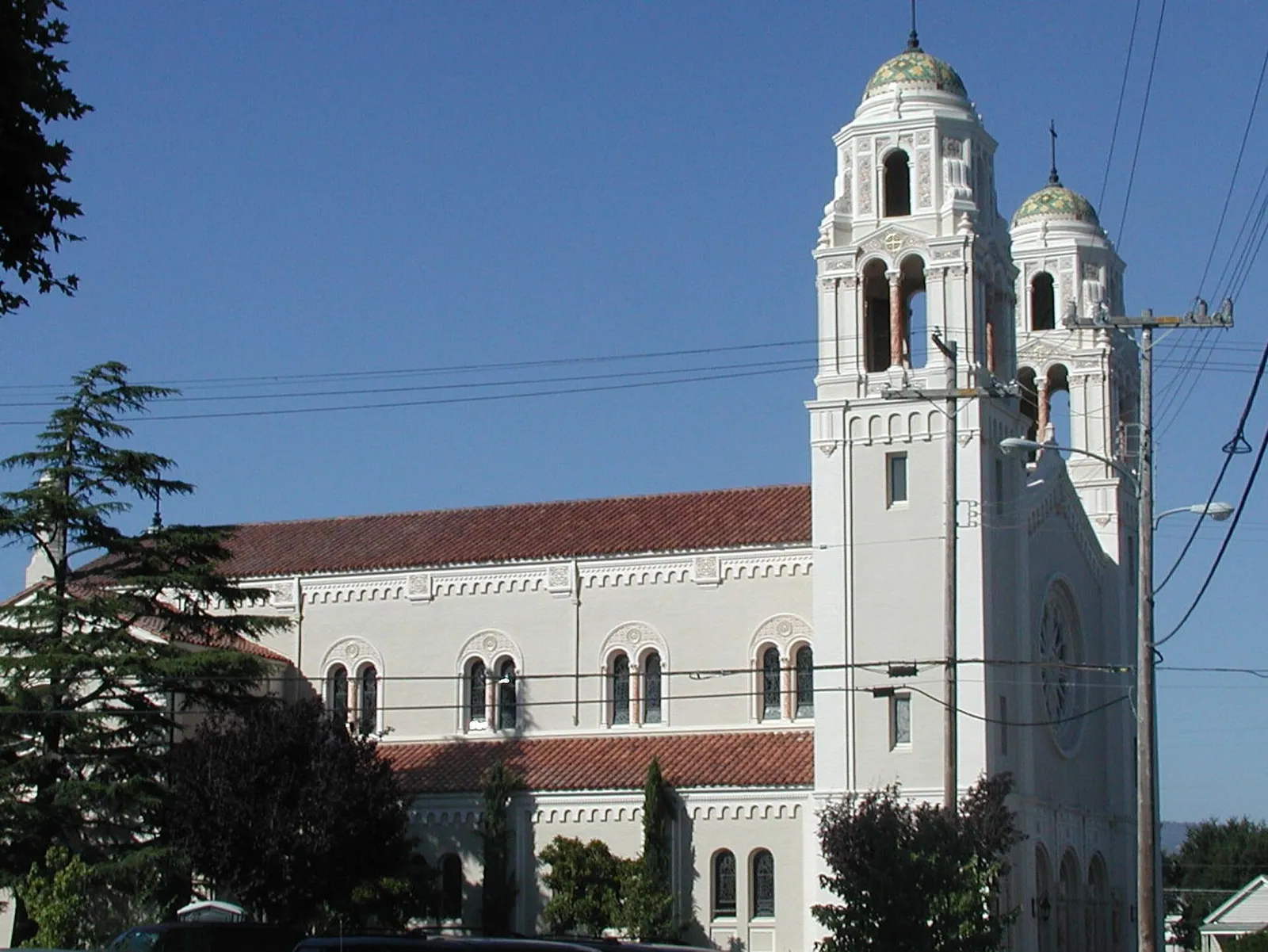
A closer look at Petaluma.
Petaluma’s identity is tied to its river and its older center, but the city is much more than a picturesque downtown afternoon. A home near the historic core, one in a different residential district and one close to the edge of the surrounding countryside can lead to distinct daily routines. Understanding those differences is the first useful step in a search.
The city’s history remains visible in its business and residential streets, while rail access and ongoing planning introduce another layer. Michael Fadeeff can help compare the atmosphere you respond to with the practical needs beneath it: the route to work, the space you use outside, the effort of maintaining an older home and the projects you may want to undertake.
Historic downtown
Petaluma’s city-listed history walks explore both business and residential districts. A walk is a good way to notice building forms and street relationships, then decide whether being close to the center is part of your daily preference or primarily a weekend pleasure.
The river and wetlands
The river setting extends beyond the downtown scene into marsh and wetland landscapes, including Shollenberger Park. Explore with current trail information and keep public access distinct from the boundaries and flood considerations of any property you are evaluating.
Helen Putnam Regional Park
Southwest of downtown, the county park offers grassland, oak woodland and views across the surrounding valleys. Its official map helps you compare access points and terrain. A nearby address still needs a route check before you imagine a regular walk from home.
Homes in Petaluma.
Older homes around the core
Architectural character can come with layers of changes. Inspect foundations, roofs and building systems, then reconcile additions with available records. Look at how the original plan accommodates present-day storage and work needs before assuming a cosmetic update will solve everything.
Established residential districts
Beyond downtown, compare homes by lot usability, floor plan, street activity and the actual route to shopping or transit. Avoid turning east-versus-west shorthand into a substitute for visiting. The useful distinctions happen at the property and block level.
The edge of town
A more open setting may bring different infrastructure and jurisdiction questions. Confirm city limits, utilities, drainage and access. If the property has rural features or substantial land, obtain appropriate specialist advice on those systems instead of treating it as a standard city lot.
Everyday life in Petaluma.
Build a visit around a downtown errand, the station you would use and an outdoor stop. SMART’s current station information is the starting point for rail planning; your home-to-platform connection needs its own test. Include the crossings and return journey in that assessment.
Spend time on the residential street after the scenic part of your visit. Observe where you would park, unload groceries, store a bicycle and use outdoor space. Petaluma’s character is appealing, but a home becomes a good fit through these small repeated actions.
Buying and selling in Petaluma.
When you’re buying in Petaluma.
- For an older property, request a clear history of alterations and permit records. Give particular attention to work that changed the layout, living area or structural system.
- Review property-specific flood information and drainage where relevant to the river or creeks. A river-town identity does not establish the risk of an individual parcel.
- Check the scope and status of nearby development through city planning resources. Distinguish a general-plan vision from an approved or operating project.
When you’re selling in Petaluma.
- Explain the house’s evolution: original features, documented improvements and work still worth considering. A coherent record helps buyers appreciate character with realistic expectations.
- Photograph the outdoor spaces at a useful scale and show the connection between kitchen, garden and storage. Practical flow can be a stronger distinction than decorative staging alone.
- Describe the actual relationship to downtown and rail access. A specific route and clearly identified station are more useful than a broad promise of being close to everything.
Questions about Petaluma.
Should I focus only on Petaluma’s historic core?
Only if that setting serves your priorities. Compare it with other residential districts using your daily trips, space needs and appetite for maintenance. An older downtown-adjacent home and a home elsewhere in the city can offer different strengths without one being universally preferable.
Where is Helen Putnam Regional Park relative to Petaluma?
The county’s park materials place it southwest of downtown, with access shown on its official map. Use that map to plan a visit and assess the route from a candidate property, rather than treating the park boundary as a convenient entrance.
What should I check for a home advertised as having expansion potential?
Confirm the jurisdiction, parcel boundaries, existing permits, infrastructure and applicable planning constraints. Have qualified professionals assess the specific idea. A large-looking yard or an existing outbuilding does not establish that additional living space can be approved.
Local resources.
Explore official local information, check current conditions, and investigate the address you’re considering. A community overview is a starting point; a particular home needs its own review.
Prepared October 2026 using the linked public resources. Routes, access, services, and local requirements can change. Confirm current details with the relevant provider or jurisdiction. Map points indicate communities, not office locations.
