
Santa Rosa.
City options. Open-space weekends. Your own balance.
Compare Santa Rosa real estate across its downtown districts, established neighborhoods and eastern outdoor settings, with practical guidance on homes and daily life.
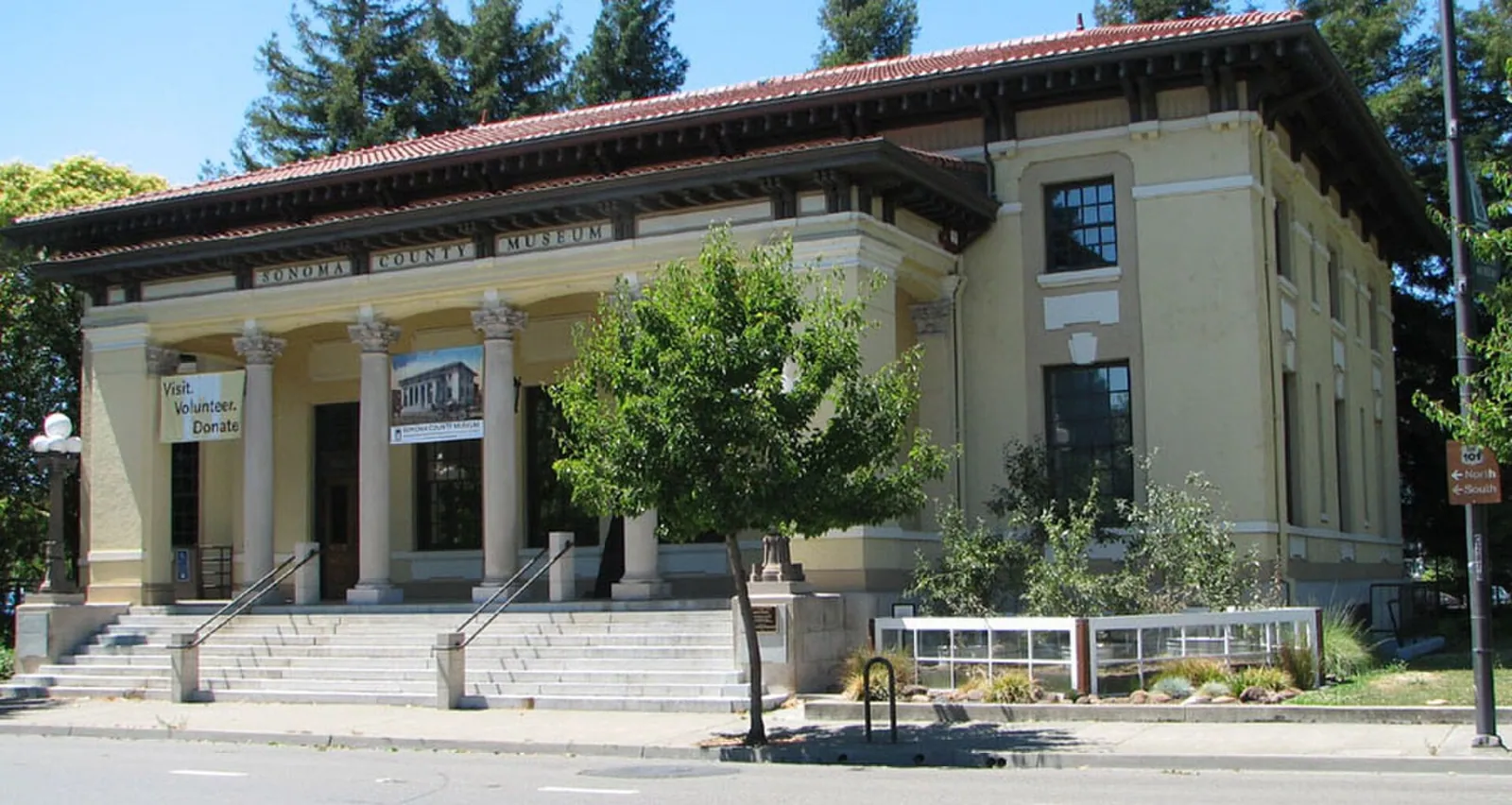
A closer look at Santa Rosa.
Santa Rosa provides a broader urban menu than the smaller wine-country towns around it. Downtown and Railroad Square give it more than one center of activity, while residential areas extend toward very different landscapes. A successful search starts by identifying the part of the city that supports your recurring trips, then choosing the house within it.
The city’s scale is an advantage when you use it deliberately. You can compare an older home near established streets, an attached property with shared upkeep or a residence oriented toward the outdoors. Michael Fadeeff can help make those comparisons tangible through visits, property records and a realistic picture of the work each home requires.
Railroad Square
Santa Rosa’s historic walking-tour materials explain the district around the old depot and its surviving architectural character. Explore it on foot, then notice the connection to neighboring residential areas rather than treating the district as a standalone attraction.
Downtown and its transit connections
The Downtown Station Area Specific Plan brings together Courthouse Square, Railroad Square, SMART and the Transit Mall. Those are distinct places to test in person. Planning goals describe a direction for change, not a promise that every proposed improvement already exists.
Spring Lake
The county park offers trails around the lake and a substantial outdoor setting on the eastern side of Santa Rosa. Use its official maps to compare entrances and terrain. A recreational destination can be valuable even when it is a planned outing rather than a walk from home.
Homes in Santa Rosa.
Historic and established city neighborhoods
Older houses can bring distinctive proportions and materials, together with decades of changes. Compare original features with documented systems work, and check historic status before planning exterior alterations. A thoughtful inspection should follow the building’s actual history.
Attached homes and smaller-lot living
Some buyers prefer to put less time into a private yard and more into the surrounding city. Evaluate shared maintenance, reserves, parking and storage alongside the home itself. The best comparison includes association obligations and the quality of the route to daily destinations.
Homes toward hills and open land
Outdoor-oriented settings deserve attention to exposure, vegetation, access and drainage. Where a home has been rebuilt or substantially altered, inspect documentation and warranties instead of assuming newer construction answers every question. Obtain insurance information for the specific address early.
Everyday life in Santa Rosa.
A good Santa Rosa scouting day uses a few deliberate anchors: your work destination, a regular shopping stop and the place you expect to exercise. Travel among them from each shortlisted neighborhood. A location that works beautifully for one set of trips may be inconvenient for another.
Spend time in the center as well as around a candidate home. Downtown activity, the rail connection and parks offer different kinds of value. Decide which will shape your week, and which you are happy to reach occasionally, before paying for a location advantage you may rarely use.
Buying and selling in Santa Rosa.
When you’re buying in Santa Rosa.
- Review the property’s construction and alteration history, including any rebuilding. Ask which work is documented, which warranties remain and what maintenance is now due.
- Check address-specific fire, flood and other hazard information with appropriate sources, then obtain insurance quotes. Santa Rosa’s size and varied landscape rule out a single risk profile.
- If future nearby development matters to you, read the applicable plan and current project records. Separate long-range aspirations from approvals and construction already underway.
When you’re selling in Santa Rosa.
- Place the home within a precise daily geography. Identify the destinations and routes that genuinely distinguish its location instead of describing the entire city as equally close.
- Show continuity of care with records of repairs, rebuilding or major upgrades. Explain the condition of the exterior and site alongside interior improvements.
- Use comparable homes that match setting and ownership structure. A downtown condominium, historic detached house and hillside property need different contexts.
Questions about Santa Rosa.
Is Railroad Square the same as all of downtown Santa Rosa?
Railroad Square is a distinct historic district within the broader central-city experience. The city’s station-area planning links it with Courthouse Square and transit hubs. Visit each area to understand how a potential home connects to them.
Can I use SMART from Santa Rosa?
SMART serves Santa Rosa, with current station and service details published by the operator. Choose the boarding point relevant to your address and test the first and last portions of the trip. Do not infer a convenient commute solely from a station appearing nearby on a map.
How do I assess a home near Santa Rosa’s outdoor areas?
Examine legal access to the park or trail, then evaluate the house independently for drainage, vegetation, emergency access, maintenance and insurance. A lovely open-space outlook and a manageable ownership plan are complementary questions.
Local resources.
Explore official local information, check current conditions, and investigate the address you’re considering. A community overview is a starting point; a particular home needs its own review.
Prepared October 2026 using the linked public resources. Routes, access, services, and local requirements can change. Confirm current details with the relevant provider or jurisdiction. Map points indicate communities, not office locations.
